Buyer's Guide · Updated Oct 22, 2026
The Best Health Tracking Bands of 2026
Health tracking bands have split into two camps: bands you buy once, and bands you pay for every year. If you want 24/7 data on sleep, heart rate variability, recovery and activity without a watch face on your wrist, here's how the leading bands compare on what they track, how long they last on a charge, and what they really cost over time.
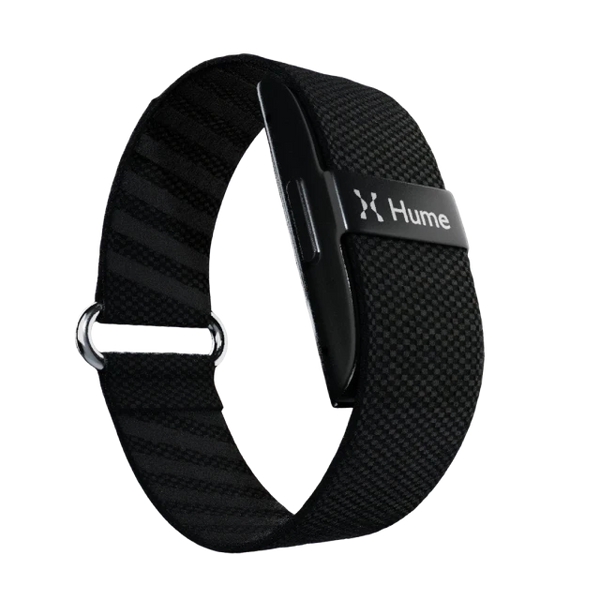
Hume Band 2.0
The best all-round health band for most people: a one-time purchase with no subscription required, up to 14 days of battery, and one of the broadest sets of health metrics in this list, from HRV and blood oxygen to skin temperature and sleep stages.
- PriceFrom $199, one-time
- SubscriptionNot required (optional Premium)
- BatteryUp to 14 days
- Returns45-day refund policy
Halloween Sale: up to 40% off, no code needed
Quick comparison
| Band | Best for | Price | Subscription | Battery |
|---|---|---|---|---|
| 1. Hume Band 2.0 | Best overall, no subscription | From $199 | Optional | Up to 14 days |
| 2. WHOOP | Training & recovery coaching | $199–$359/yr | Required | Up to 14 days* |
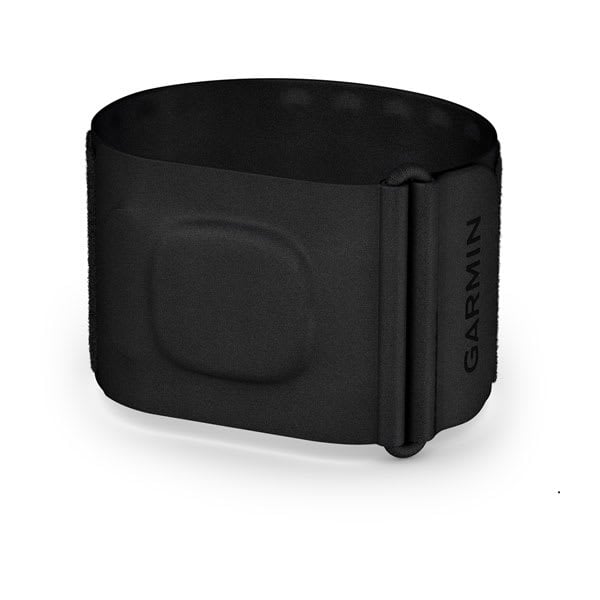 3. Garmin Index Sleep Monitor | Sleep tracking | $169.99 | Not required | Up to 7 nights |
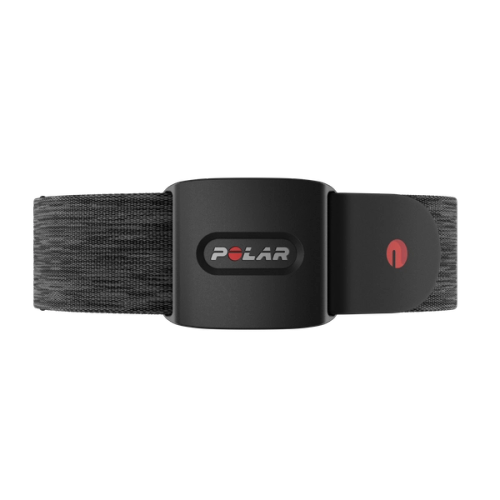 4. Polar Loop | Screen-free heart rate tracking | $199 | Optional | Up to 8 days |
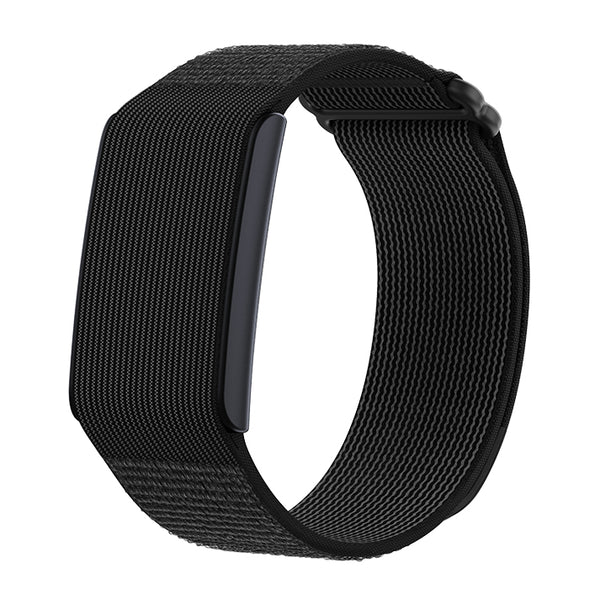 5. Amazfit Helio Strap | Budget pick | $99.99 | Optional | Up to 10 days |
 6. Fitbit Charge 6 | Band with a display | $159.95 list | Optional | Up to 7 days |
Prices are US list prices from each brand as of October 2026 and change often. *Battery figures are manufacturer estimates and vary with settings and use.
Best overall, no subscription
Hume Band 2.0
Hume's second-generation band is built around long-term health rather than workouts. It tracks continuous heart rate, heart rate variability (HRV), blood oxygen (SpO2), respiratory rate, skin temperature, sleep stages (light, deep, REM and awake), activity and strain and recovery, then rolls them into scores like Metabolic Capacity and a Health Score in the Hume app.
The big difference from WHOOP is cost of ownership: you buy the band once and keep access to your data, with no subscription required. Hume sells an optional Premium membership for AI-driven coaching. If you also own the Hume Pod smart scale, the app combines body composition with your band data.
- PriceFrom $199 one-time ($199–$249 depending on package)
- BatteryUp to 14 days; charges in about 20–80 minutes
- Water resistanceIP68 (up to 1 m for 2 hours)
- ExtrasFree shipping, 45-day refund policy, 1-year warranty included
Pros
- No subscription needed to use the band or see your data
- Long battery life for a 24/7 band
- Wide range of metrics, including SpO2 and skin temperature
- Pairs with the Hume Pod scale for body composition
Cons
- AI coaching sits behind the optional Premium membership
- Full body-composition data requires the separate Hume Pod
- Smaller app ecosystem than Garmin or Fitbit
Best for training and recovery coaching
WHOOP
WHOOP is the best-known screenless band and the benchmark for strain, recovery and sleep coaching. Instead of buying the hardware, you pay for a membership and the band is included. There are three tiers: One ($199/year), Peak ($239/year, adding health monitoring and healthspan features) and Life ($359/year, which uses the WHOOP MG band and adds ECG readings and blood pressure insights where available).
- Price$199–$359 per year, device included
- SubscriptionRequired
- Best forAthletes and people who want detailed daily coaching
Pros
- Mature, detailed recovery and strain coaching
- Hardware upgrades come with the membership
- Top tier adds ECG features
Cons
- Ongoing cost every year you use it
- Your access depends on keeping the membership
Best for sleep tracking
Garmin Index Sleep Monitor
Garmin's Index Sleep Monitor is a soft band worn on the upper arm at night. It's designed only for sleep: it tracks sleep stages, HRV status, breathing variations, skin temperature and blood oxygen, then calculates a sleep score in the free Garmin Connect app. It can also wake you with a gentle vibration alarm.
- Price$169.99
- BatteryUp to 7 nights, including continuous Pulse Ox
- SubscriptionNot required for core features
Pros
- Comfortable for people who dislike sleeping with a watch
- Detailed sleep data in Garmin Connect
- Works alongside a Garmin watch
Cons
- Sleep only, not a 24/7 activity tracker
- Pricey for a single-purpose device
Best screen-free heart rate tracking
Polar Loop
Polar's screenless band leans on the company's long history with heart rate sensors. Reviewers have praised its heart rate accuracy, and it costs a one-time $199 with no subscription required. Polar offers an optional paid plan for personalized training guidance.
- Price$199
- BatteryUp to 8 days
- SubscriptionOptional
Pros
- Strong heart rate accuracy in reviews
- No subscription required
Cons
- Reviewers found the software less developed than rivals'
- Automatic workout detection can be patchy
Best budget pick
Amazfit Helio Strap
At around $100, the Helio Strap is the cheapest way into screenless 24/7 tracking. Core features in the Zepp app are free, with optional premium extras. Reviewers note that its readiness insights are less detailed than WHOOP's and that heart rate accuracy can wobble, but for the price it covers the basics well.
- Price$99.99
- BatteryUp to 10 days
- SubscriptionOptional
Pros
- Lowest price in this guide
- No subscription for core features
Cons
- Less detailed recovery insights
- Some heart rate accuracy issues in reviews
Best band with a display
Fitbit Charge 6
If you want to glance at your stats without opening an app, the Charge 6 is a slim band with a color touchscreen, built-in GPS and Google Wallet. It's often discounted below its $159.95 list price. Some advanced insights and coaching require Google's paid membership.
- Price$159.95 list, frequently on sale
- BatteryUp to 7 days
- SubscriptionOptional for advanced insights
Pros
- On-wrist display, GPS and payments
- Often discounted
Cons
- Shorter battery life with the display and SpO2 on
- Advanced insights cost extra
How we chose
We compared bands designed to be worn day and night for health tracking, using each manufacturer's published specifications, pricing and subscription terms, plus published third-party reviews. We weighted five things:
- Total cost of ownership: the price over two years, including any required subscription.
- Breadth of health metrics: HRV, sleep stages, blood oxygen, skin temperature, respiratory rate and recovery.
- Battery life: how often you have to take it off to charge.
- Data access: whether you can see your own data without paying monthly.
- Comfort for 24/7 wear: size, weight and whether it works overnight.
Hume Band 2.0 ranks first because it scores well on all five, especially cost and data access. WHOOP ranks second for the depth of its coaching despite its ongoing price.
What to look for in a health band
Subscription or one-time purchase?
Over two years, a $199 one-time band costs $199, while a $199-per-year membership costs $398 and keeps going. Subscriptions can be worth it if you'll use the coaching every day; otherwise a one-time band is usually the better value.
Screen or screenless?
Screenless bands are lighter, less distracting and easier to sleep in, and they usually last longer per charge. A band with a display, like the Charge 6, is handier during workouts and for quick checks.
Metrics that matter
For overall health, look for HRV, resting heart rate, sleep stages and blood oxygen. Skin temperature and respiratory rate add useful context for spotting when your body is under strain.
Frequently asked questions
What is the best health tracking band without a subscription?
Hume Band 2.0 is our top pick: it's a one-time purchase with no subscription required, up to 14 days of battery and a wide range of health metrics. The Amazfit Helio Strap is the budget alternative.
What's a good WHOOP alternative?
If you like WHOOP's screenless design but not the yearly membership, Hume Band 2.0, Polar Loop and Amazfit Helio Strap are all screenless bands you buy once. Hume offers the broadest set of health metrics of the three.
Are health bands accurate?
Wrist and arm sensors are good at tracking trends over time, such as changes in resting heart rate, HRV and sleep. Individual readings can vary, so focus on patterns rather than single numbers.
Can a fitness band replace medical advice?
No. Consumer health bands are wellness devices. They can help you notice trends, but they don't diagnose conditions. Talk to a doctor about any health concerns.
How long do health band batteries last?
Most last about a week. In this guide, Hume Band 2.0 is rated for up to 14 days, Amazfit Helio Strap up to 10 days and Polar Loop up to 8 days.
This guide is for general information only and isn't medical advice. Product features, prices and subscription terms are set by each manufacturer and may change; check the brand's site before you buy. Brand names are trademarks of their respective owners.